What our genes foretell
From Mendel’s 19th century research into inheritance in pea plants to groundbreaking discoveries supported by technology resulting in the Human Genome Project in the 21st century, within the last century-and-a-half, we have achieved a refined understanding of the impact of Genetics on human disease, inherited or acquired. As the anatomy of chromosomes, DNA and RNA, unraveled, the genetic basis of multi-organ syndromes and single organ diseases has been established. Some are defined by a clinically recognizable phenotype (Down and Marfan syndrome); others due to single gene defects encoding for critical proteins like enzymes, require neonatal testing or may take months or years to be diagnosed. Evolution of cancer research benefited from the parallel discoveries of DNA, RNA and cell signaling, which revolutionized the understanding of cancer biology. Clinically significant genetic diseases and genetic changes in cancer cells, whether hereditary or acquired, are diagnosed with ease today. Research, aided by Big Data and sophisticated technology, has enabled gene manipulation and targeted therapy in the era of Personalized Medicine.
Insights and Impact
- Many genetic diseases have established abnormalities but the linkage between a vast array of smaller abnormalities and the risk for disease remain unexplored and uncertain
- Genotype-phenotype dissociation and the influence of epigenetic changes on disease manifestation, makes prediction of risk for disease challenging
- Establishing diagnosis and developing pharmacogenomics are significant research opportunities for interdisciplinary research
- Gene modification techniques like genome editing hold promise for a therapy-for-one option beyond the conventional modalities.
- DNA fingerprinting has established itself as a useful forensic tool for establishing identity
- Cancer genetics is revolutionizing the era of Precision Medicine through tailoring therapy to a patient and their specific tumor, sometimes agnostic of the organ of origin
- Circulating DNA (ctDNA) derived from dying cancer cells acting as biomarkers, offer the opportunity to screen for common cancers and detect early relapses while on treatment or follow-up (liquid biopsy)
Rhythm ’n rhyme
When seed meets soil
How will our mind and body behave, do the genes foretell?
Nature and/or nurture, don’t they both ring a bell?
A chromosome less or more in Turner or Down syndrome, mind and structure slay
A tiny error in our DNA, may end life or give disease a long stay

An enzyme gone missing, loads neurons or macrophages with substrate
There’s cognitive decline, failure to thrive, unmetabolized substrates steadily accumulate;
Hyperelasticity of loosened joints, may amuse us in a circus clown
Beware! In Marfan such a phenotype may harbor aortic dissection deep down;

On glucose tissues thrive and muscles spring with energy
If a glycogenosis enzyme is defective, weakness and cramps everyone can see;
Gaucher cells cause hepatosplenomegaly as glucocerebrosides they store,
Around Tay-Sach’s ‘cherry-red’ retinal spot, gangliosides vision gore;

Not all is lost however, as with The Human Genome Project, genomics rapidly advance
There’s hope, for prenatal diagnosis can provide a mitigation chance;
Karyotyping, NGS et al aid diagnosis; towards gene-editing efforts are intense
Genetic counselling, pre-marital and neonatal testing just make plain sense.

Not all suffering is predictable, even if you get DTC genomic testing on record
Dominant or recessive inheritance, gene penetration, expressivity- determine if on you hangs the disease-sword
In multifactorial diseases, inherited predisposition is just the seed
Environment, lifestyle, nutrition, habituations: the soil that determines whether disease-seed will breed!
Deep Dive
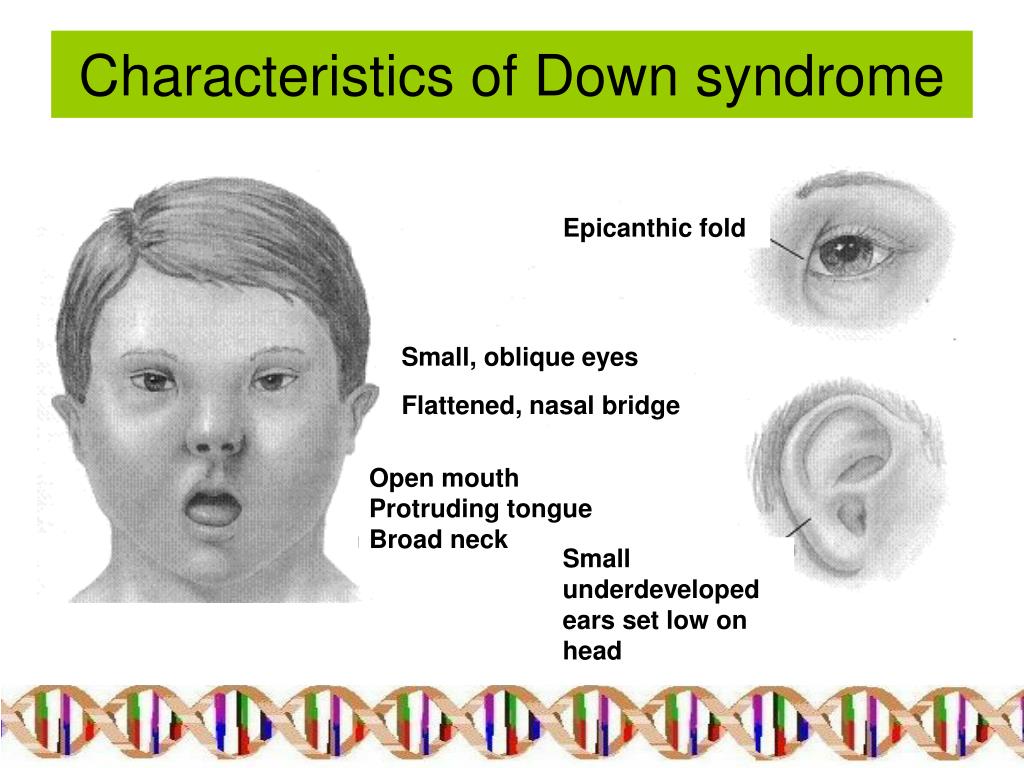
A. The phenotype of Down Syndrome due to Trisomy 21

Acknowledgement
https://image.slideserve.com/151187/characteristics-of-down-syndrome-l.jpg
Q. 1. Recall 3 other syndromes due to change in chromosome number
Q. 2. Review the antenatal diagnosis of Down syndrome and its significance
B. Gaucher disease due to mutation in GBA gene

Q. How can you apply your knowledge of the pathogenesis of Gaucher disease to therapeutic options that can mitigate organ damage?
Read on:
Aster, J. C. Robbins, Cotran & Kumar Pathologic Basis of Disease, 11th Edition. Elsevier – Evolve; 2025-05-09. Retrieved from vbk://97804432839322025-05-09.
https://www.genome.gov/human-genome-project
https://www.gaucherdisease.org/gaucher-diagnosis-treatment/treatment/
Leave a Reply