Chemical mediators: bane or boon?
Accompanying the early vascular and cellular responses to inflammation, several pre-formed and newly synthesized chemical mediators flood the site of tissue injury. They originate from endothelial cells, immune cells and native stromal cells. At first, they amplify the inflammatory response to overcome the etiology and its tissue damage. Later, they enable removal of dead material, and promote tissue regeneration and repair.
Insights and Impact
- Inflammation is the body’s protective response to injury, not the etiology of disease
- Pro-inflammatory mediators in balance with anti-inflammatory mediators limit and resolve the effects of cellular injury
- Persistent inflammation implies a persistence of etiology and/or an imbalance of pro- and anti-inflammatory mechanisms
- Discovering and treating the etiology of injury goes hand in hand with symptom-relief to ensure recovery and meet patient needs.
- Nutrition and attention to co-morbidities e.g. diabetes, significantly determine time to recovery and residual morbidity.
- Surrogate inflammatory markers in blood allow monitoring of response to therapy
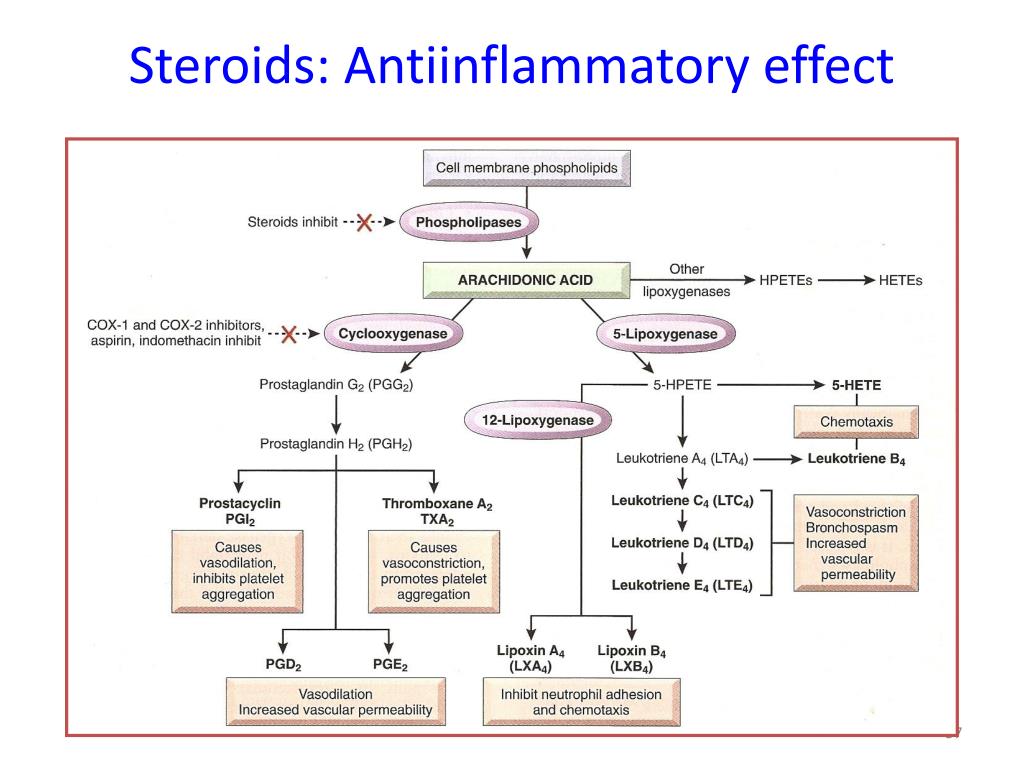
- Pharmacologic intervention regulates pathways of chemical mediator generation.
- The cornerstone of management: dose and duration titrated to the severity of tissue injury and the symptomatic relief requirements of an individual patient
- A range of anti-inflammatory treatment options exist: NSAIDs, corticosteroids, DMARDs, biologic therapies etc. Scientific selection and monitoring are key to maximize desired effects and minimize adverse effects
- Long term adverse effects of anti-inflammatory treatment must be anticipated by the physician and communicated to the patient to prevent non-judicious therapy
Rhythm ‘n Rhyme
Wonder chemicals act and run
Vessels and cells having done their job, synchronously release
Wonder chemicals that flood the inflammatory milieu: cause unease;
Some cells preformed molecules pour, others take time to activate
Some mediators deal the final deathly blow: others recruit cells and stimulate;
Key players in this effort are prostaglandins, kinins and complement
Vessels they constrict or dilate, kill microbes, pain and fever they vent;
It’s a delicate balance to maintain, to prevent damage to normal cells
Normally the reaction is delimited by their kin and, inflammation components fly off like elves;
Knowledge of chemical mediator pathways has led to drug discoveries
To alleviate patient symptoms and break the cycle of miseries;
Accursed is the inflammatory site if these mediators persist, unchecked: Hark! thoughtful physician: is the etiology persistent or with autoimmunity, tissues bedecked,,,
Deep Dive
https://youtu.be/1BpV6p8pXDg?si=RVbKHEwDpF_YG81y
https://www.uptodate.com/contents/nsaids-including-aspirin-pharmacology-and-mechanism-of-action#H4

Acknowledgement:
https://image1.slideserve.com/1899494/mechanism-of-action-of-anti-inflammatory-agents-l.jpg


Acknowledgement
https://image2.slideserve.com/3721902/steroids-antiinflammatory-effect-l.jpg
Leave a Reply